Blog
How Do I Know If My Roof Needs Repairing or Replacing?

Author
Kyle Piper
Published
Category
Guides
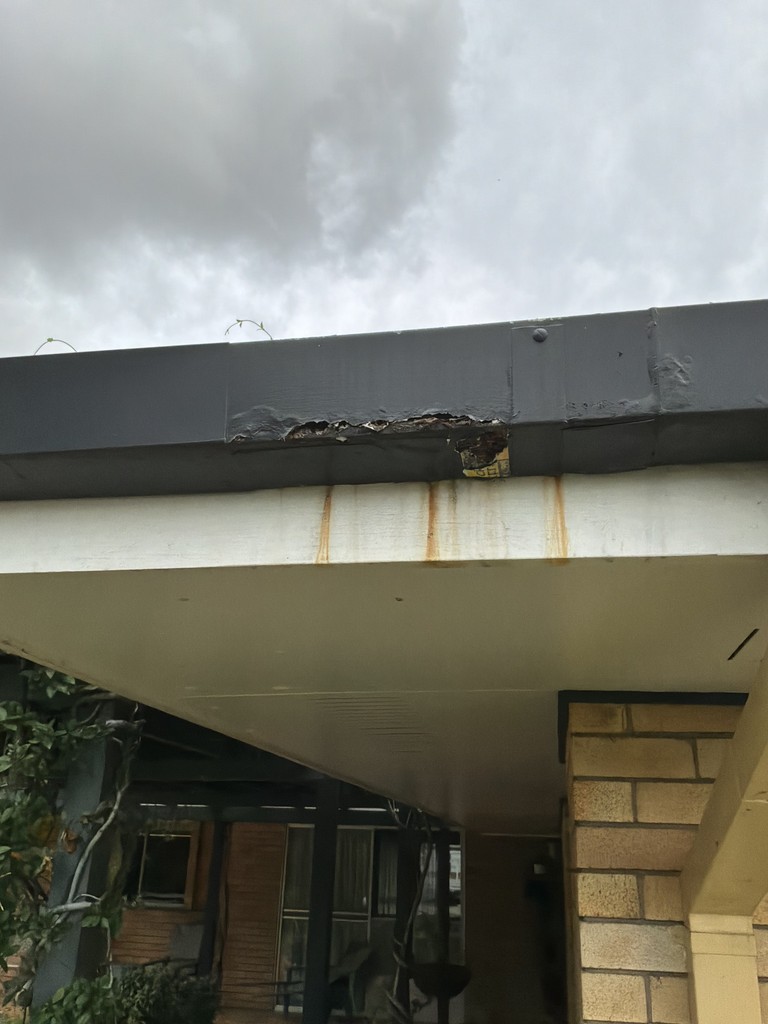
If you've noticed a leak, a stain on the ceiling, or a few cracked tiles, you've probably asked yourself the same question every homeowner asks at some point: do I need a roof repair, or is it time for a full roof replacement? The honest answer is — it depends on what's actually happening up there. But you don't need to climb a ladder or guess. Below is a simple, no-jargon way to work out which one you're likely looking at, plus the signs that tell you when it's time to stop patching and start planning a proper fix. Quick rule of thumb: if the damage is small, recent, and limited to one area, it's usually a repair. If it's widespread, recurring, or your roof is getting older, it's often more cost-effective to replace it.
Signs a Roof Repair Is Usually Enough
Most of the time, a roof problem is smaller than it looks from the ground. These are the signs that point to a repair rather than a full roof replacement
One leak, in one spot — especially around a vent, skylight, or flashing, rather than multiple leaks across the roof
A handful of cracked or slipped tiles, with the rest of the roof still in good shape
A few loose or lifted screws on a metal roof, rather than widespread rust
Minor storm damage — a dented sheet or a couple of tiles blown loose after a big weather event
The roof is under 15–20 years old and has otherwise been well maintained
If most of these sound familiar, a targeted roof repair will usually solve the problem and buy you many more years out of the existing roof.
Signs You're Looking at a Full Roof Replacement
Some signs mean a repair will only be a short-term fix — the underlying roof is wearing out, not just one part of it:
Leaks in more than one place, or a leak that keeps coming back after being "fixed"
Rust spreading across large sections of a metal roof, not just at a few fasteners
Multiple cracked, broken, or slipping tiles across different parts of the roof
Visible sagging anywhere on the roofline — this can point to structural issues, not just surface damage
You've paid for the same repair more than once in the last couple of years
Daylight visible through the roof from inside the ceiling cavity
The roof is original to a much older home and has never been replaced
If several of these apply, it's usually a sign the roof itself has reached the end of its useful life, and a full re-roofing or roof replacement will save you money in the long run compared to ongoing patch-ups.
Metal Roof vs Tiled Roof: The Warning Signs Are Different
Whether you need a repair or a replacement often depends on what your roof is made of. Metal and tile fail in different ways, so it pays to know which signs matter for your roof type.
Metal Roofs
Look out for:
Rust spots that keep spreading, especially around screws and joins
Sheets that have started to lift or "oil-can" (a rippled appearance)
Fasteners backing out or leaving gaps
Noticeable fading or chalking of the paint finish on older Colorbond-style roofing
A few rust spots or loose screws are a straightforward repair. Rust across large sections of sheeting, or a roof that's simply reached the end of its coating life, usually points to replacement — often with modern, long-lasting materials like COLORBOND® steel or budget-friendly ZINCALUME® steel.
Tiled Roofs
Look out for:
A few cracked or chipped tiles here and there
Moss or lichen build-up (usually cosmetic, not structural)
Slipped tiles after wind or storms
Widespread cracking, crumbling edges, or tiles that no longer sit flat
A handful of damaged tiles is a simple repair. But if cracking is widespread or the bedding and pointing are failing across the roof, many homeowners choose to replace the tiles entirely — or convert to a lighter, lower-maintenance metal roof instead.
Does the Age of Your Roof Matter?
Yes — age is one of the biggest factors in the repair-vs-replace decision, even if the roof "looks fine" from the ground.
Roof Age | What It Usually Means |
0–10 years | Repairs are almost always the right call |
10–20 years | Repairs are still common, but keep an eye on recurring issues |
20–25+ years | Many roofs are close to the end of their working life — a replacement is often more cost-effective than ongoing repairs |
Original tiled roof on an older home | Often worth assessing for a full replacement or a tile-to-metal upgrade |
A roof doesn't need to have failed completely before it's worth replacing. If it's getting older and repairs are becoming more frequent, that's usually the clearest sign of all.
What Repeated Repairs Are Actually Costing You
It's easy to think of a $300 repair as the "cheap option" compared to a full roof replacement. But if you're calling out a roofer two or three times a year for the same recurring issue, those costs add up — and you're still left with an ageing roof underneath.
A proper roof inspection can tell you, in plain terms, whether you're better off:
Continuing with occasional repairs, or
Investing in a replacement now, before small leaks turn into ceiling damage, mould, or structural repairs that cost far more than the roof itself
The One Step That Removes the Guesswork
You don't have to work this out from the ground, or from photos on your phone. A proper roof inspection gives you a clear, honest answer — repair or replace — based on what's actually happening on your roof, not guesswork.
At The Roof Company, we inspect the whole roofing system, not just the obvious problem spot, so you get a straight answer and a fair quote either way.
We provide roof inspections, repairs, and replacements across Bundaberg, Hervey Bay, and Maryborough.
Author
Kyle Piper
Kyle Piper keeps every project running smoothly, coordinating teams and maintaining clear communication to ensure each roofing job stays on track and stress-free.
What’s better than insider perks, pro tips, and surprises?
Sign up to get the most recent blog articles in your email every week.
Other Blogs


